 Joe Crowley
Detector systems / CERN
Making 164 detector channels act like one instrument.
MilliQan searches for particles carrying a tiny fraction of the electron's charge. I engineered and installed the acquisition path that turned photomultiplier signals into detector data.
My responsibility
The interfaces that make detector data trustworthy.
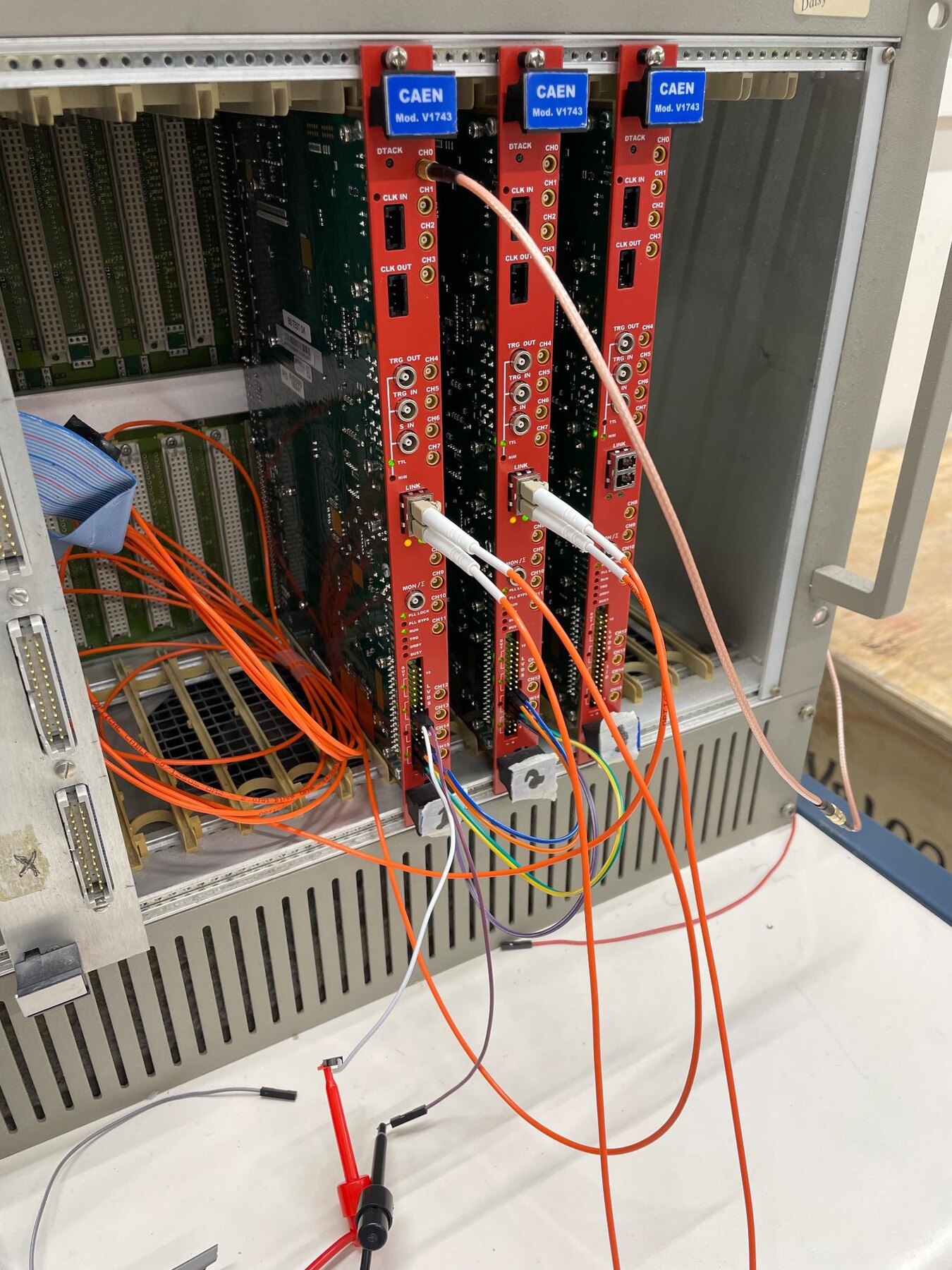
I worked across digitizer integration, FPGA trigger logic, control software, hardware test routines, assembly, and installation. The engineering problem was to make a multi-board system behave as one observable and testable instrument.
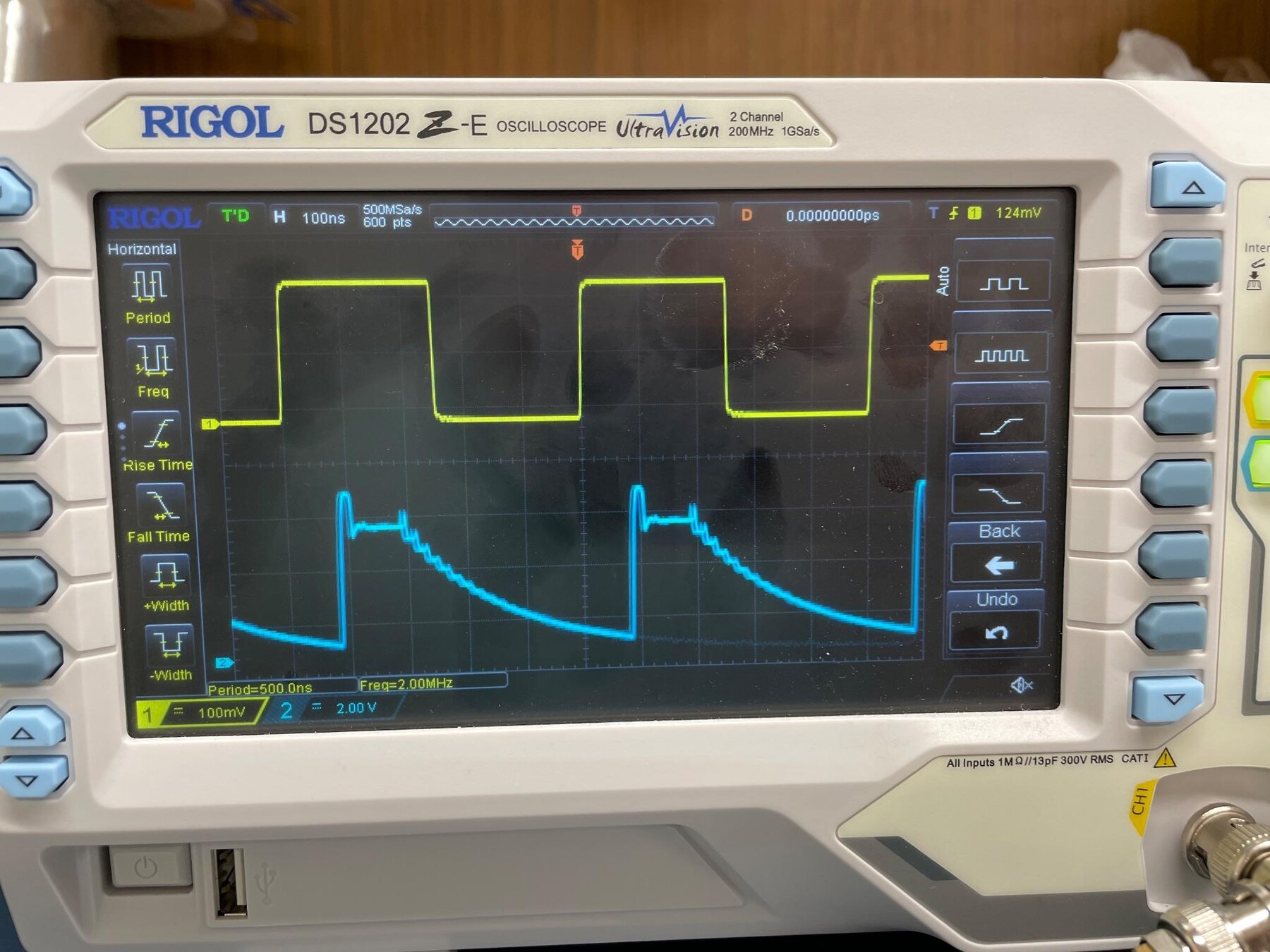
That required moving comfortably between the waveform on the oscilloscope, the digital trigger path, the C++ control layer, and the Python tools used to exercise hardware. A failure at any one interface could appear somewhere else, so the system had to be checked from the physical signal outward.
System architecture
Two paths, one event.
The data path captured detector waveforms. The trigger path decided when those waveforms became an event worth recording. Control and test software made both paths configurable and inspectable.
Testing and commissioning
Make every interface visible.
Configure
Establish reliable communication with the digitizers and control their operating state from software.
Stimulate
Exercise the electronics with known inputs and inspect the resulting waveform and trigger behavior.
Integrate
Bring the boards, firmware, and control software together as a coordinated acquisition system.
Install
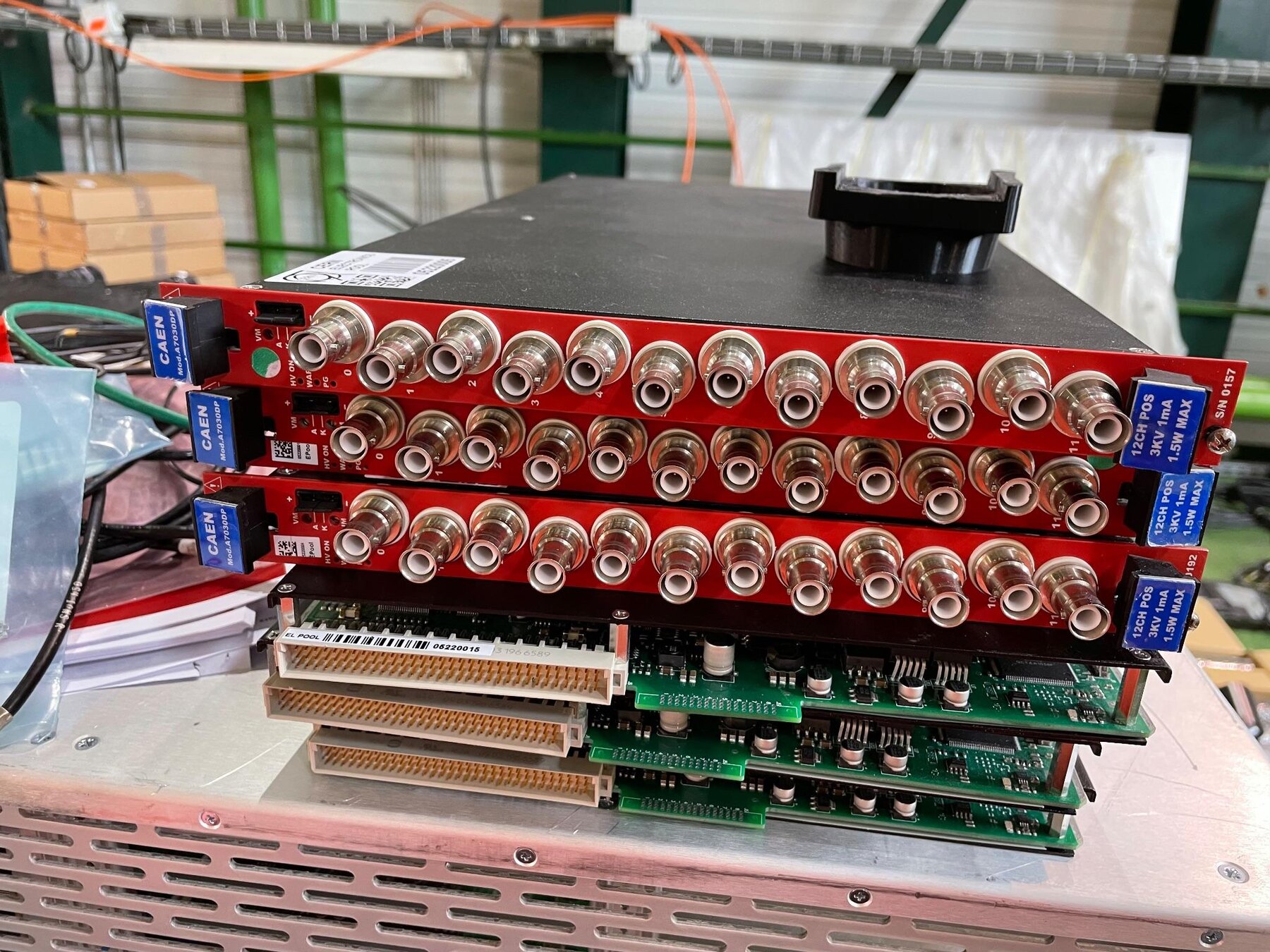
Assemble and commission the detector electronics at CERN for the Run 3 system.
Result
The system left the bench and went underground.
The acquisition system was installed at CERN for the Run 3 detector. The collaboration later reported the bar detector operational and collecting LHC collision data.
My responsibility was the DAQ, trigger firmware, hardware tests, assembly, and installation described here. Detector-wide operation belongs to the MilliQan collaboration.
Project sources
The collaboration record.
These external sources establish the detector design, public DAQ architecture, and later project status. This case study identifies my individual contribution.
The larger engineering story